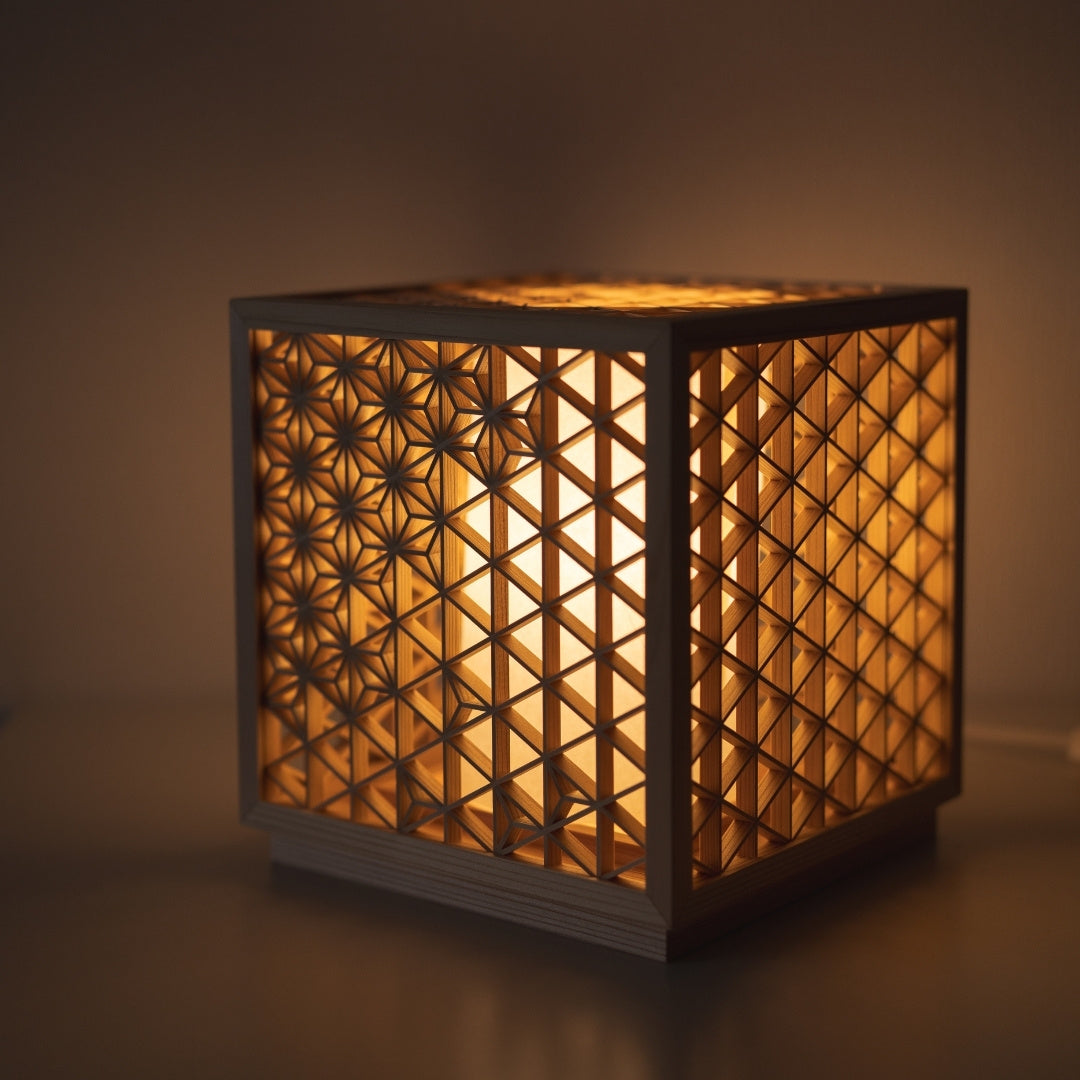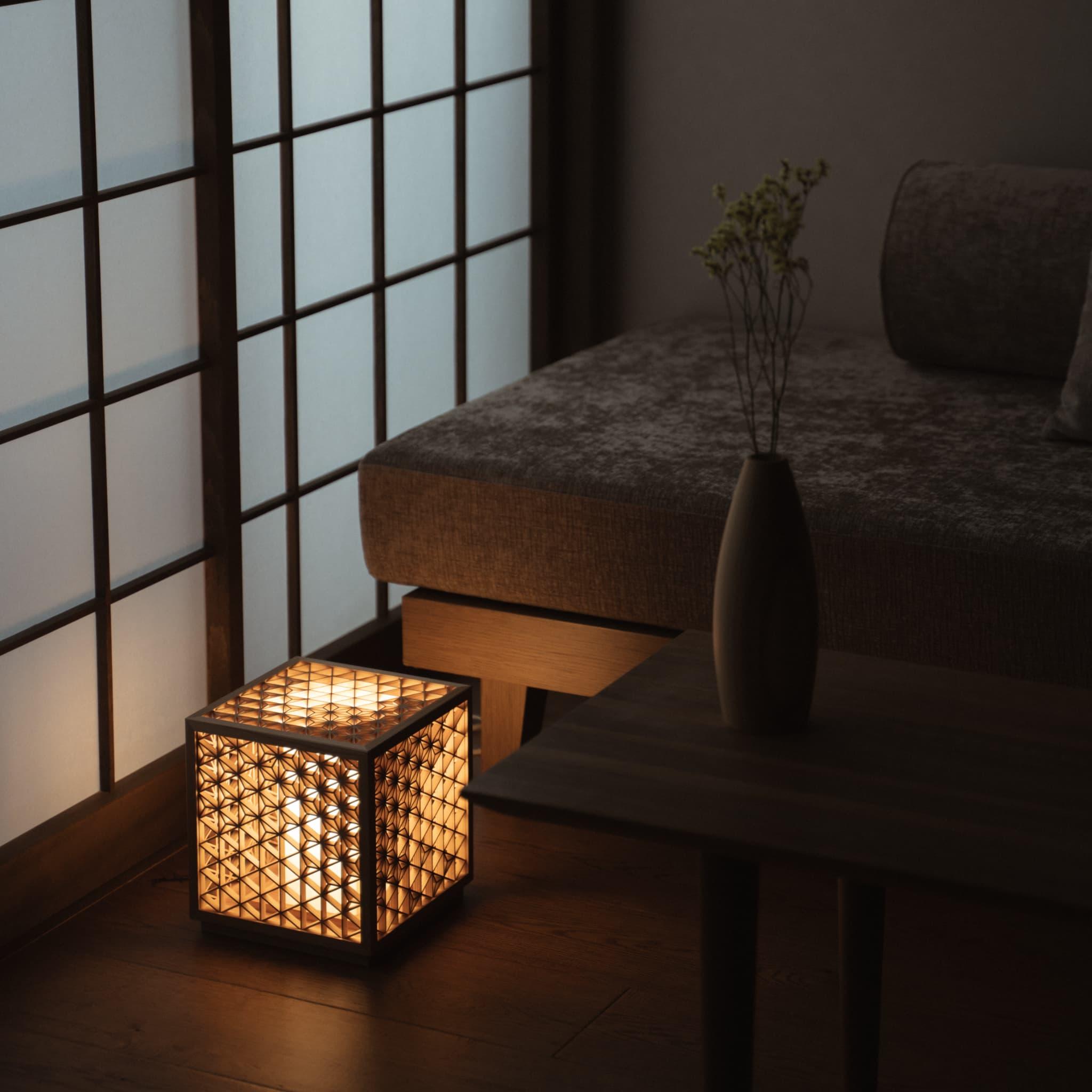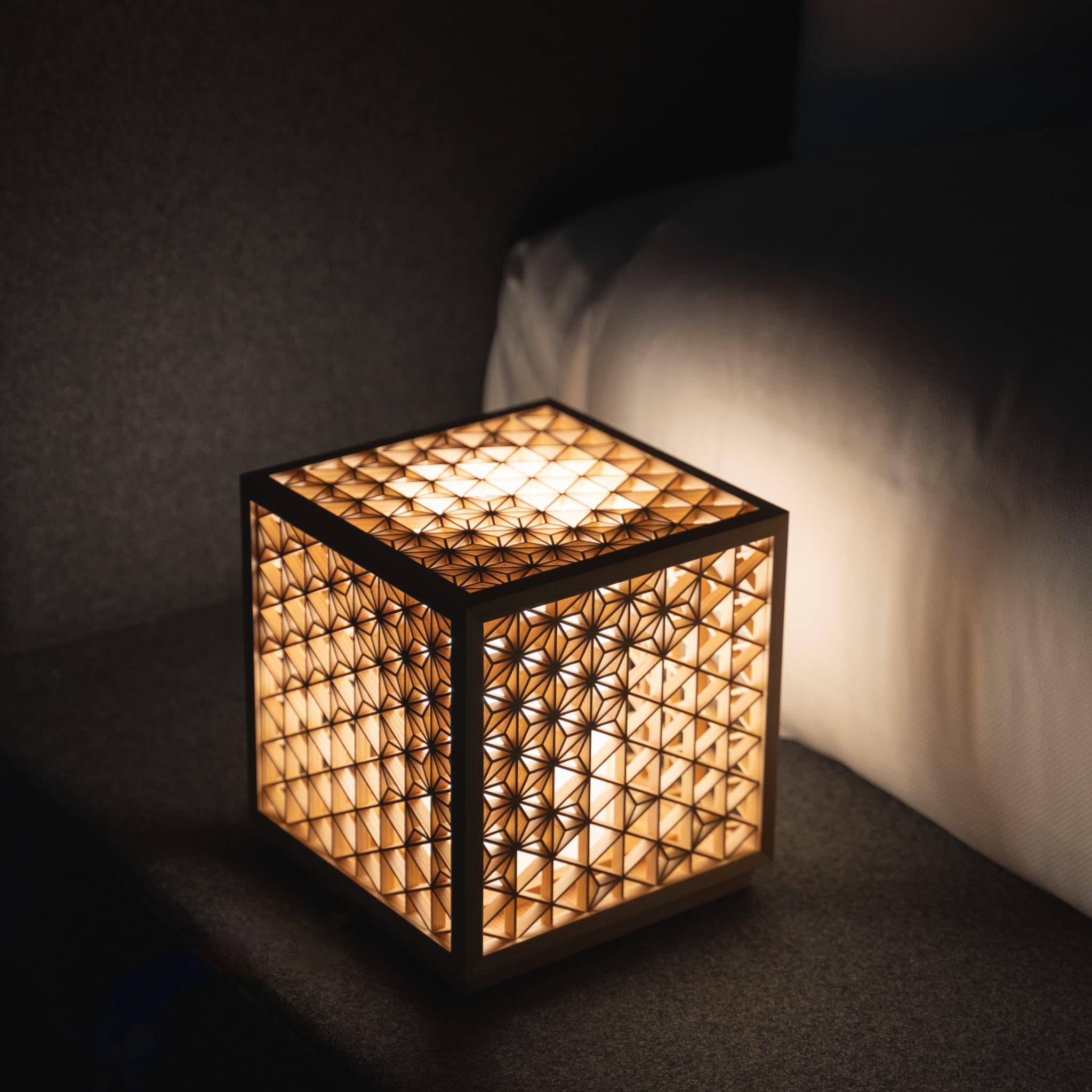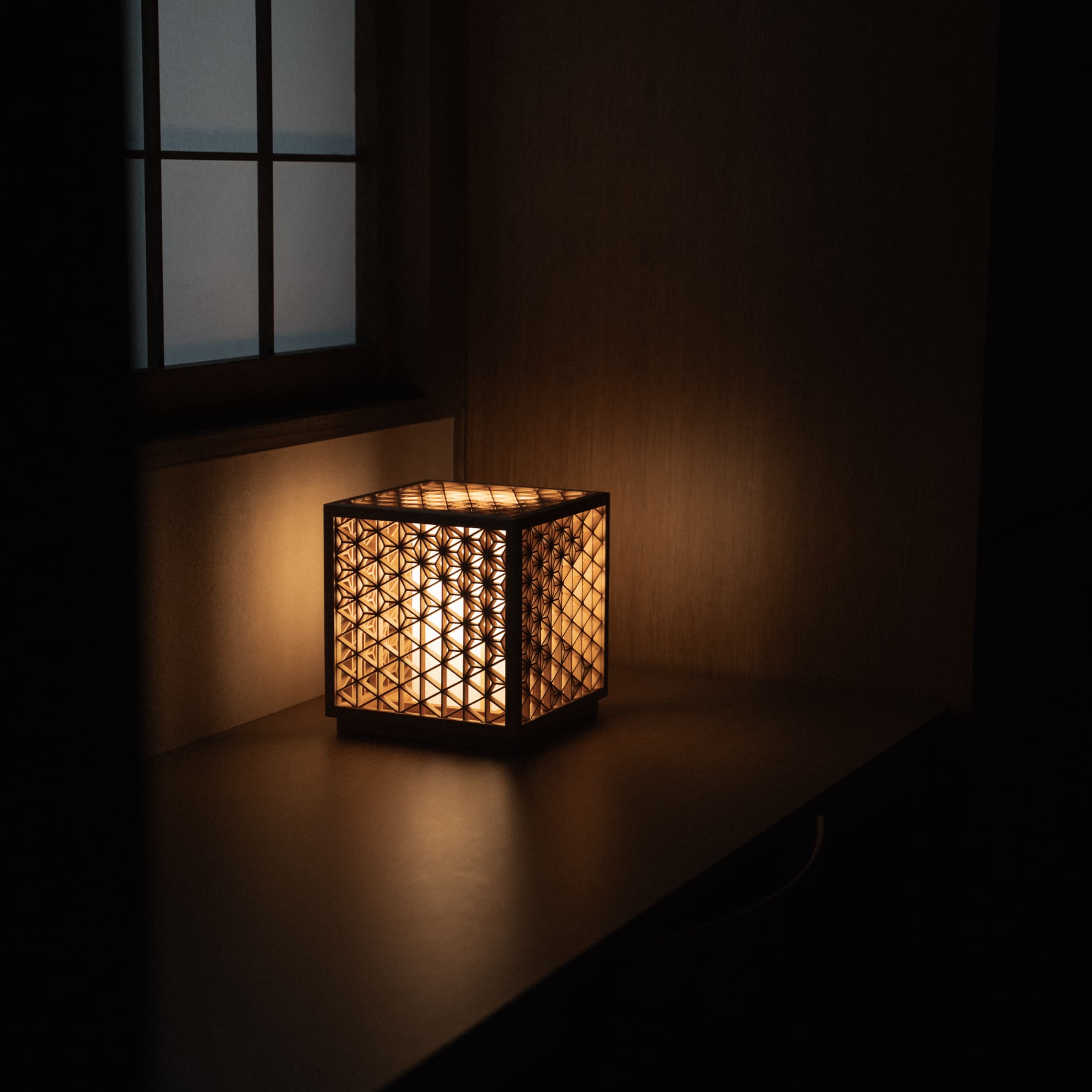
Lighting in interior design is often underestimated. While functional illumination is necessary, the emotional and atmospheric impact of light is profound, shaping how we perceive and experience a space. Japanese lamps exemplify this principle, blending traditional craftsmanship with a philosophy that values mood, texture, and tranquility.
The Essence of Japanese Lighting
Japanese lamps are deeply rooted in the principles of wabi-sabi—the appreciation of imperfection and impermanence—and shibui, a refined simplicity. They emphasize natural materials, soft illumination, and quiet elegance. Unlike Western lighting, which often prioritizes brightness and uniformity, Japanese lamps focus on subtleness, allowing spaces to breathe.
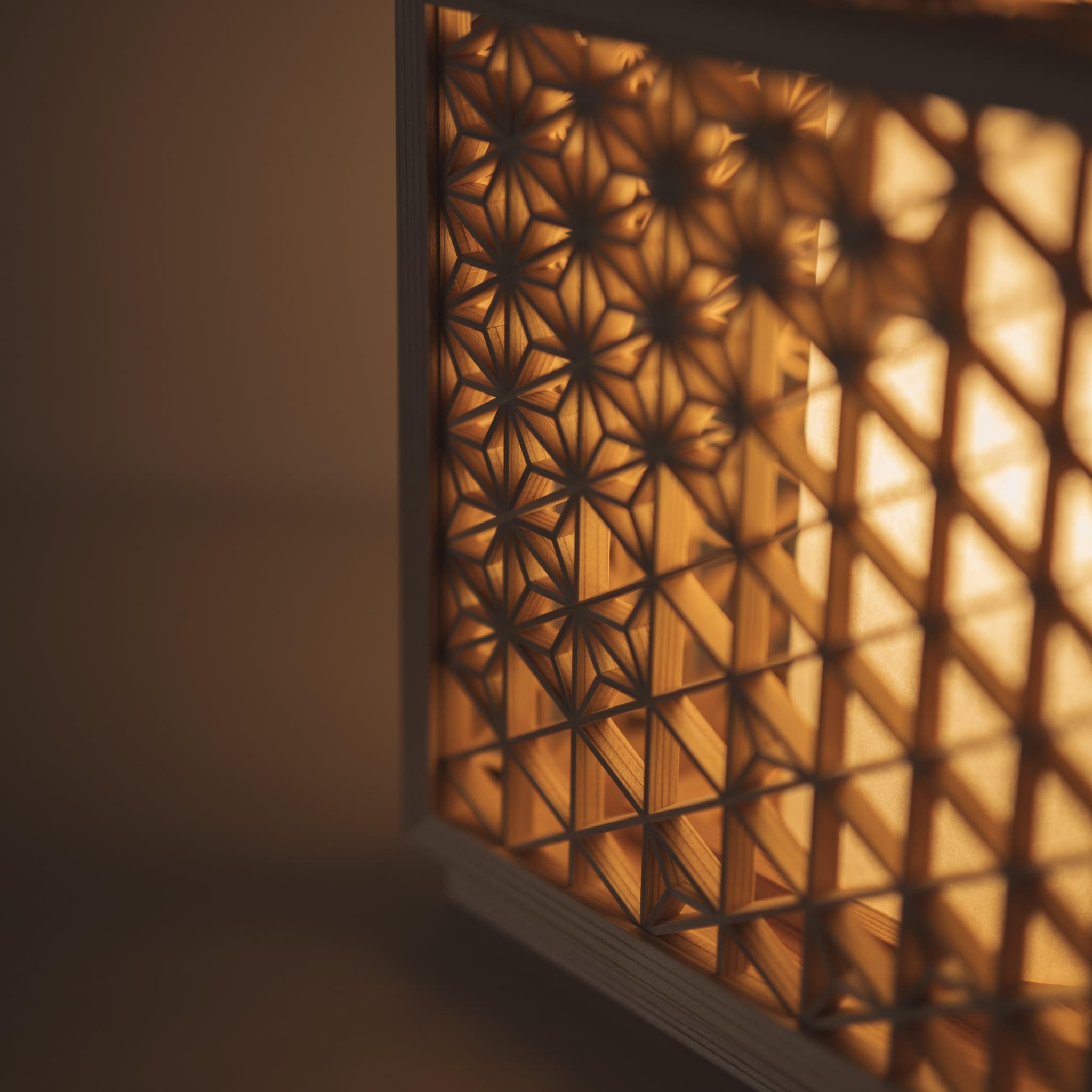
Traditional lamps, such as andon, chochin, and shoji-style lamps, diffuse light through paper or fabric, creating gentle, atmospheric glow. The light is indirect and enveloping, producing warmth and softness that transforms even minimalist interiors into spaces of comfort and reflection.
Types of Japanese Lamps and Their Impact
Shoji Lamps
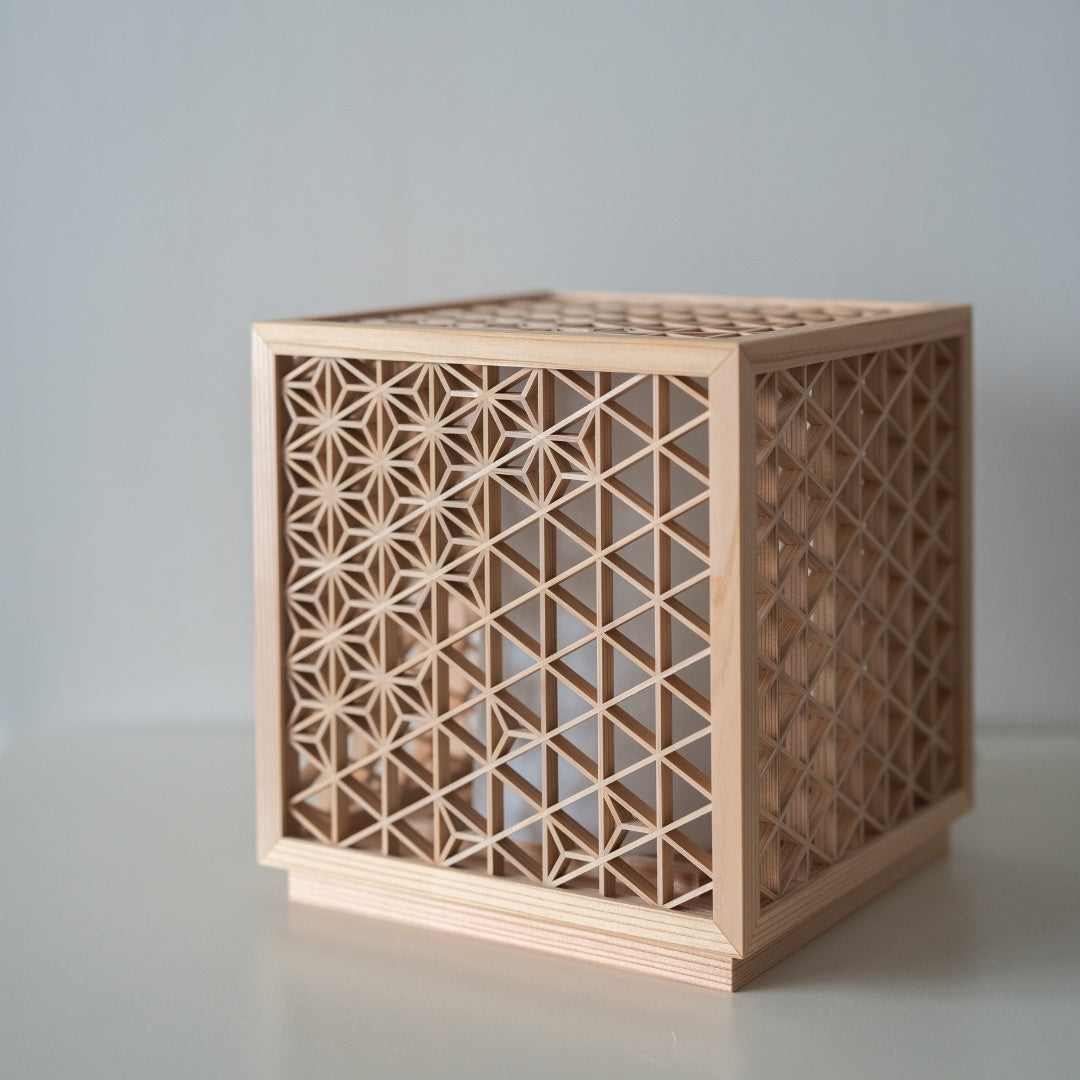
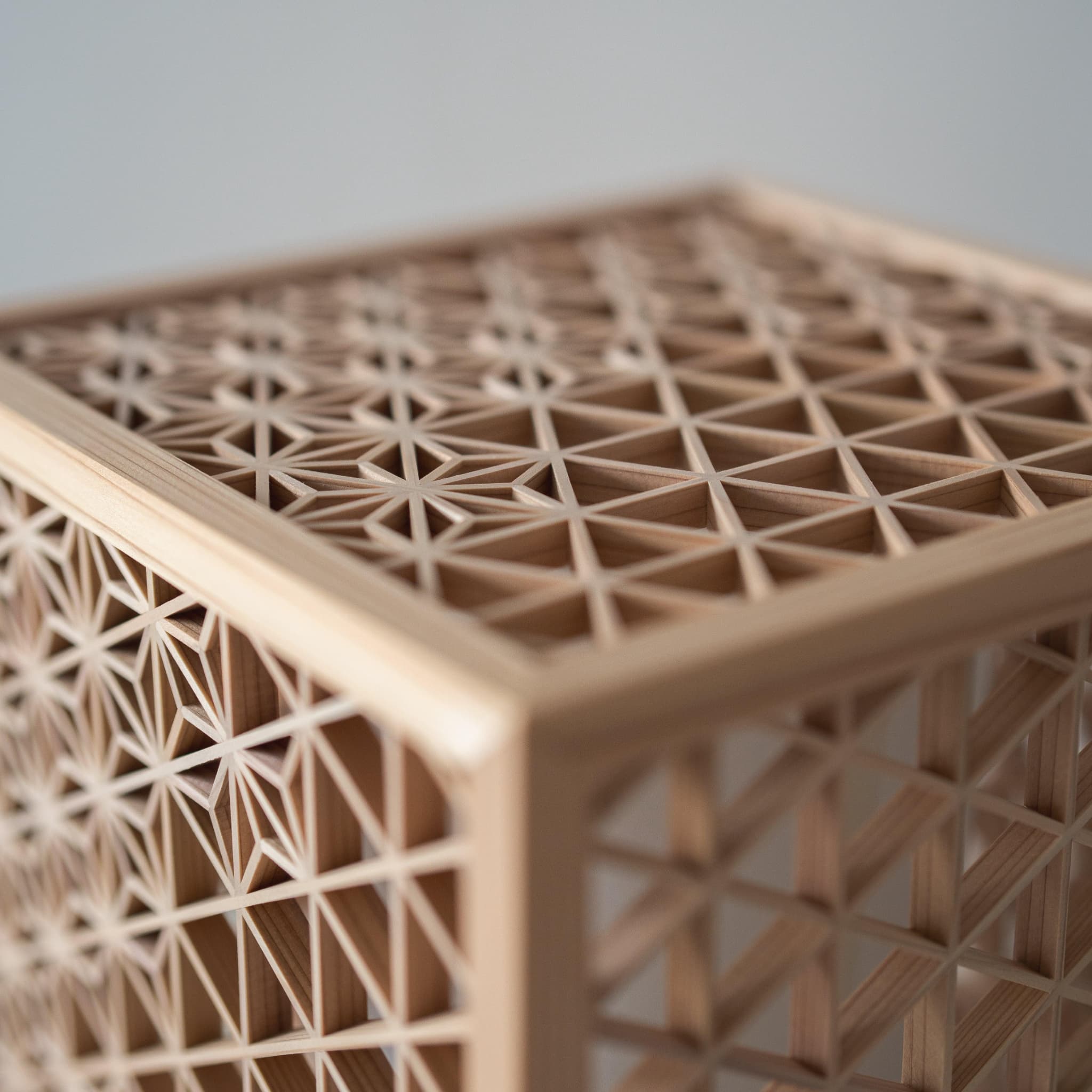
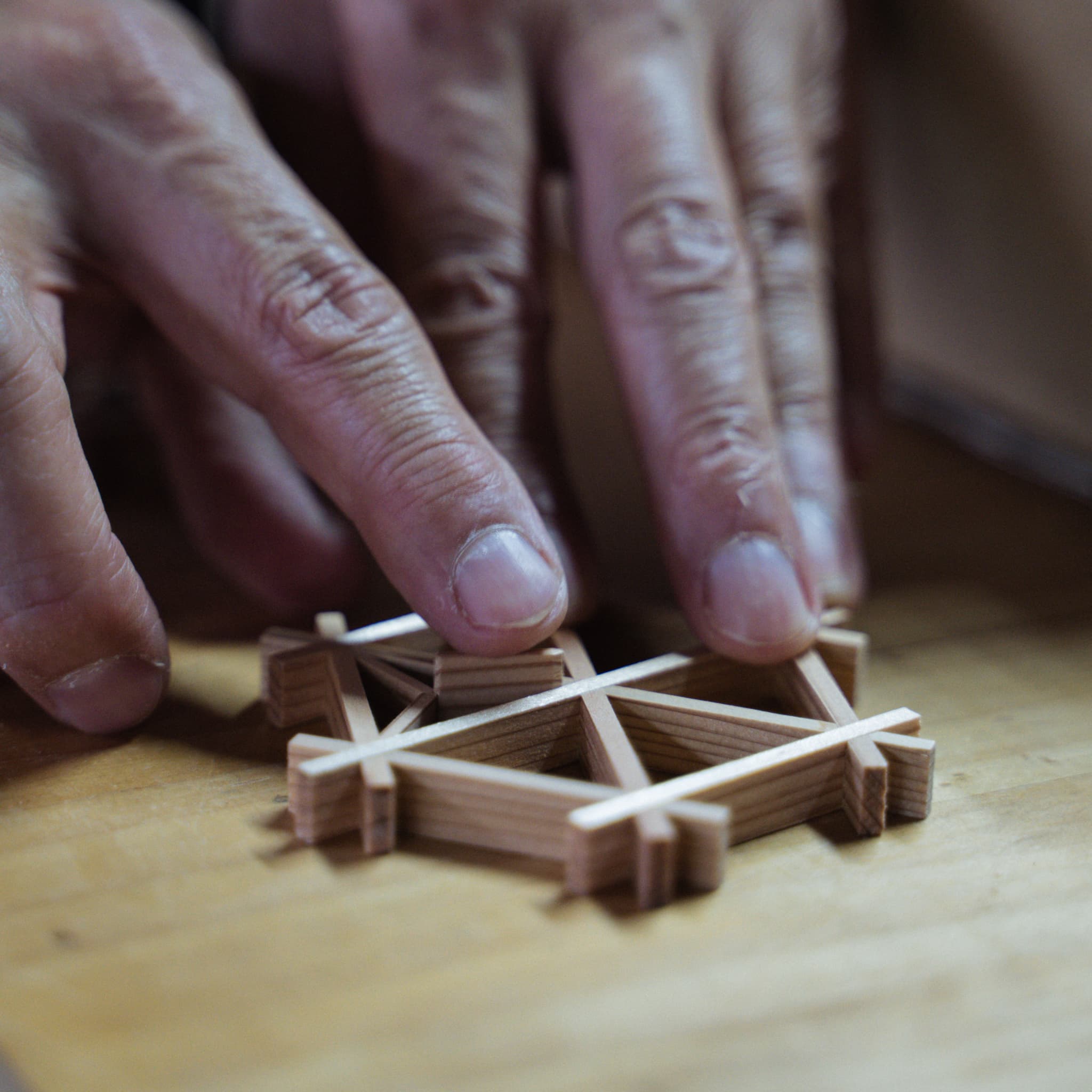
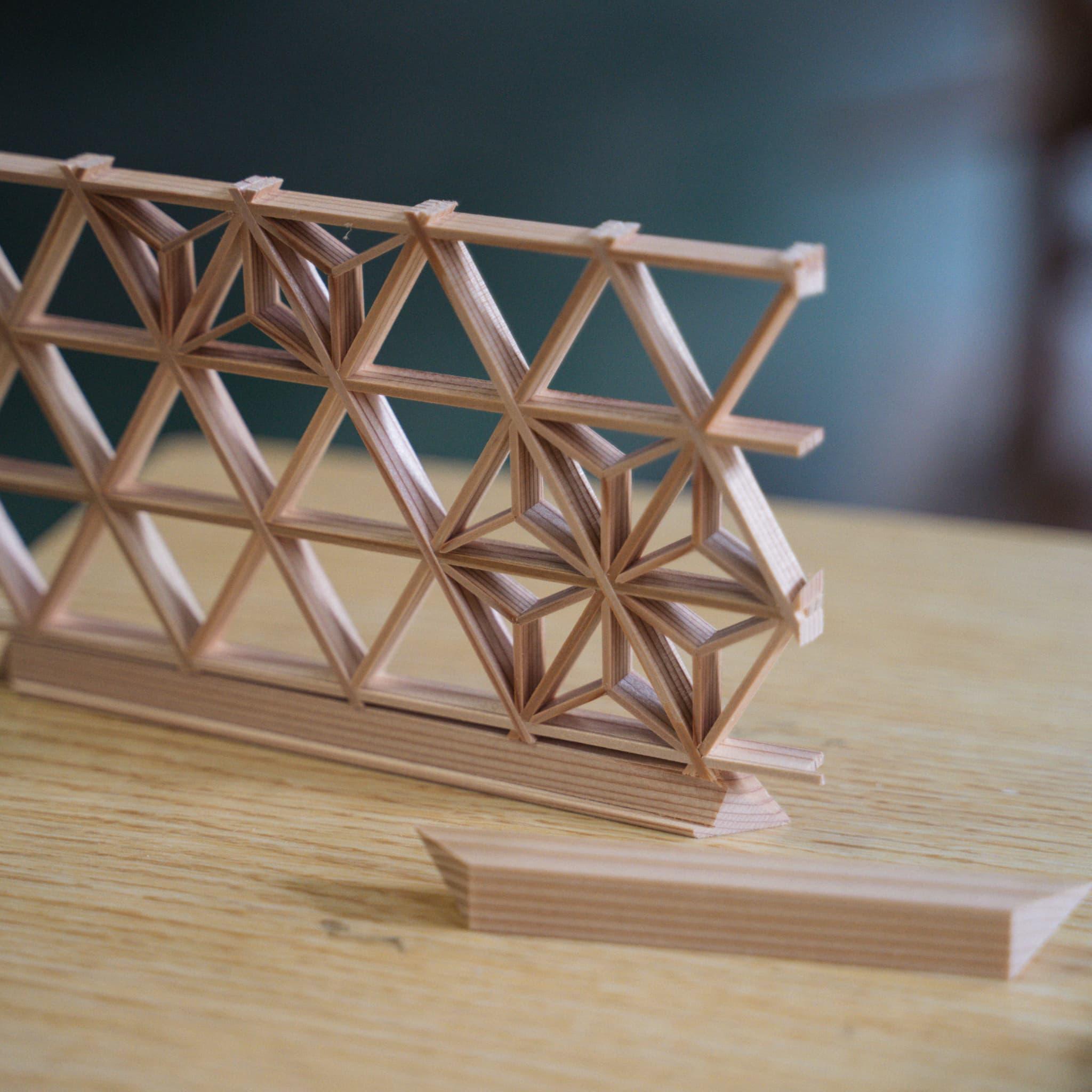
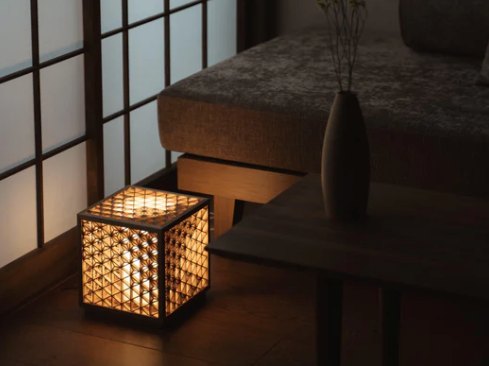
Shoji lamps use wooden lattices combined with translucent paper panels. Their design allows light to filter through evenly, softening shadows while maintaining privacy. These lamps are ideal for living rooms, bedrooms, or tea corners where calmness is desired.Andon Lamps
Traditional andon lamps are rectangular, placed on the floor or low tables. They often incorporate washi paper, providing a warm, diffuse light. Their gentle illumination encourages relaxation and mindfulness, making them suitable for reading nooks or meditation spaces.Chochin Lanterns
Hanging chochin lanterns are cylindrical and often used in hallways or entrances. They cast a vertical, elongated light pattern that enhances architectural features. Modern interpretations use LED bulbs inside washi lanterns, blending tradition with efficiency.Pendant and Floor Lamps
Contemporary Japanese designers have adapted classic materials and forms into modern pendant and floor lamps. These pieces maintain the soft, diffused glow typical of traditional lamps while offering versatility for modern open-plan living.
How Lighting Shapes Home Atmosphere
The influence of lighting on human psychology is significant. Warm, diffused light can reduce stress, encourage relaxation, and create a welcoming environment. Japanese lamps, with their emphasis on subtlety, provide these benefits naturally. For example:
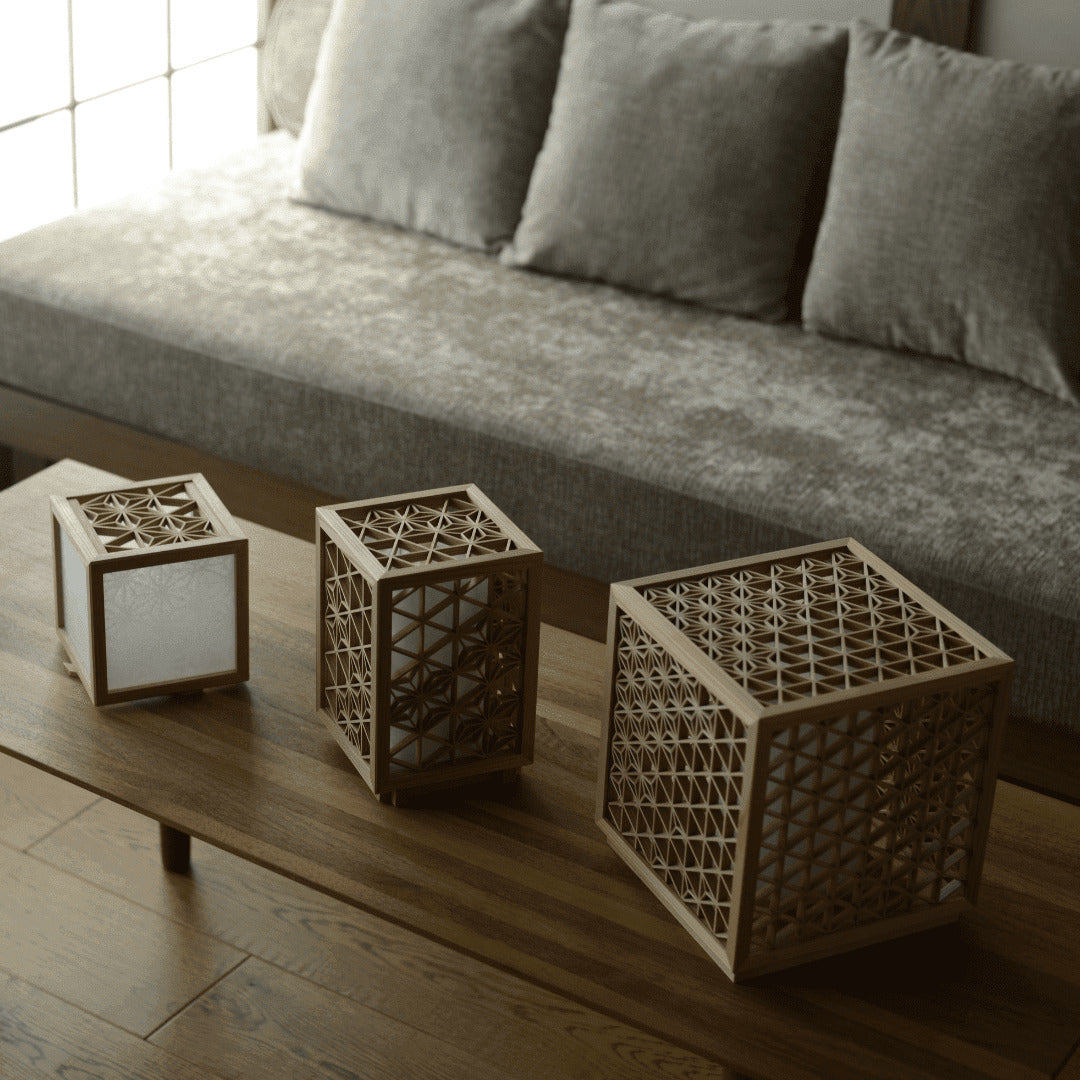
Living rooms: A single shoji lamp near a low table creates an intimate, cozy gathering area.
Bedrooms: Andon lamps by the bedside produce soft illumination, ideal for winding down before sleep.
Dining areas: Pendant lamps over a dining table highlight food and enhance the sense of conviviality.
In each scenario, the lamp does more than illuminate—it sets a tone, influencing mood and behavior.
Integration with Modern Interiors
Despite their traditional roots, Japanese lamps blend seamlessly into modern interiors. Minimalist and Scandinavian-inspired spaces benefit from the texture and warmth provided by paper and bamboo materials. The clean lines of Japanese lamp frames complement modern furniture, creating a balanced aesthetic.
Additionally, modern materials and technology expand possibilities. LED bulbs reduce energy consumption, while modular designs allow lamps to fit varying ceiling heights and room layouts. Designers often experiment with geometric forms, layered shades, and mixed materials to create a contemporary yet authentically Japanese feel.
Cultural Significance and Mindfulness
Japanese lamps also carry cultural significance. The practice of lighting a lamp is often ceremonial, marking transitions, welcoming guests, or setting the tone for a meal or gathering. Light becomes a medium for mindfulness—a moment of awareness and appreciation in everyday life.
By incorporating Japanese lamps into a home, residents are not only enhancing visual aesthetics but also embracing a philosophy of intentional living. Each lamp encourages pause, reflection, and attention to detail—principles central to Japanese design.
Sustainability and Craftsmanship
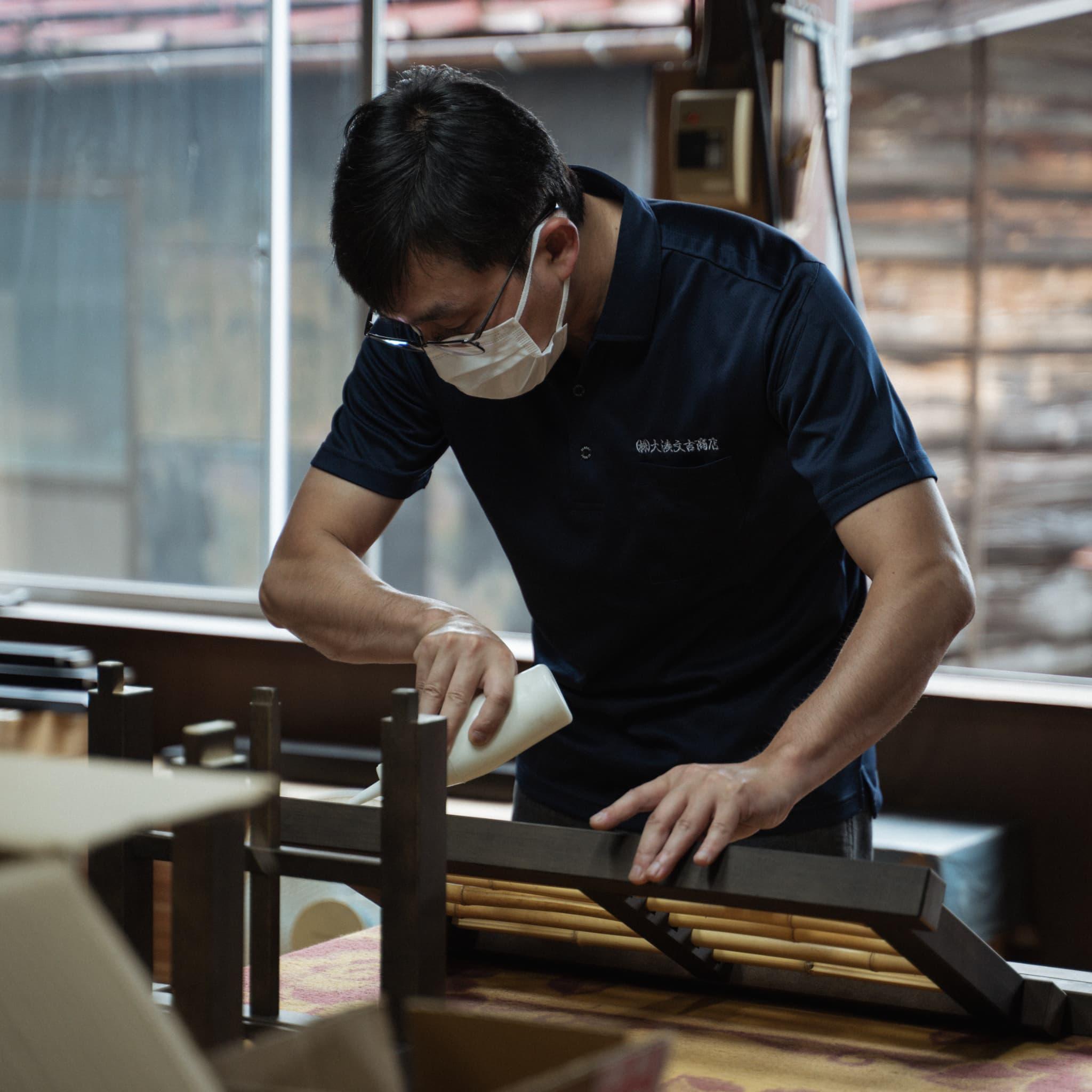
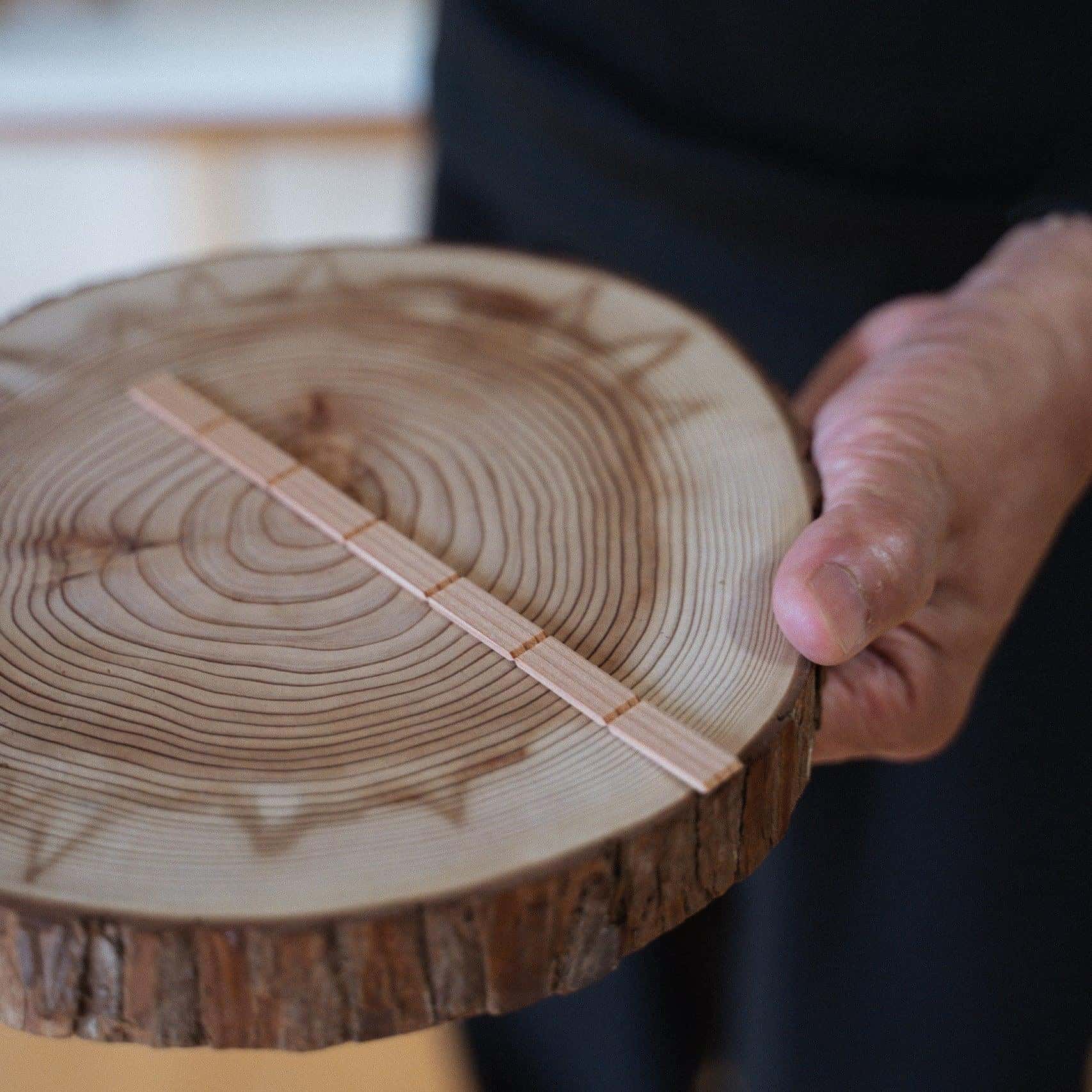
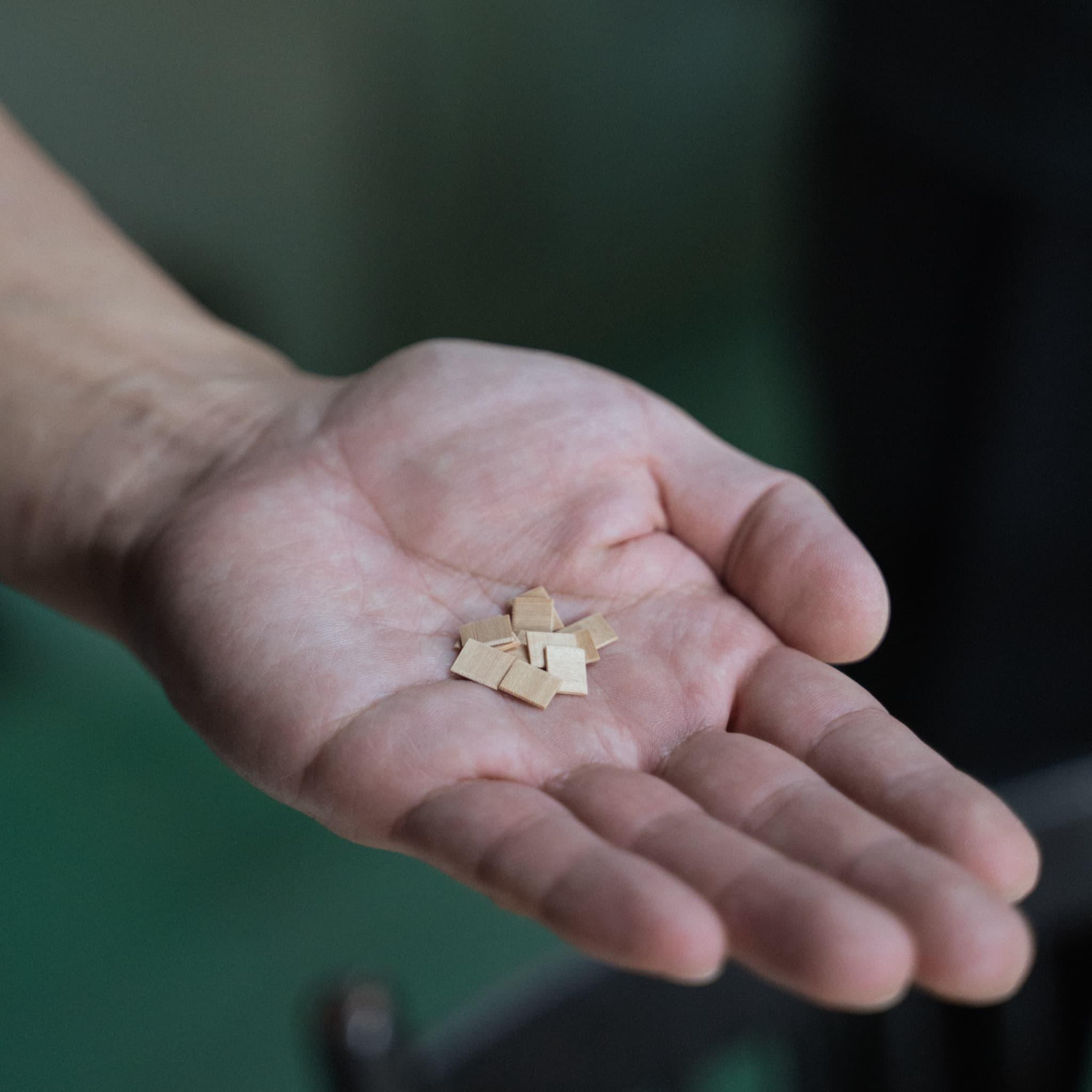
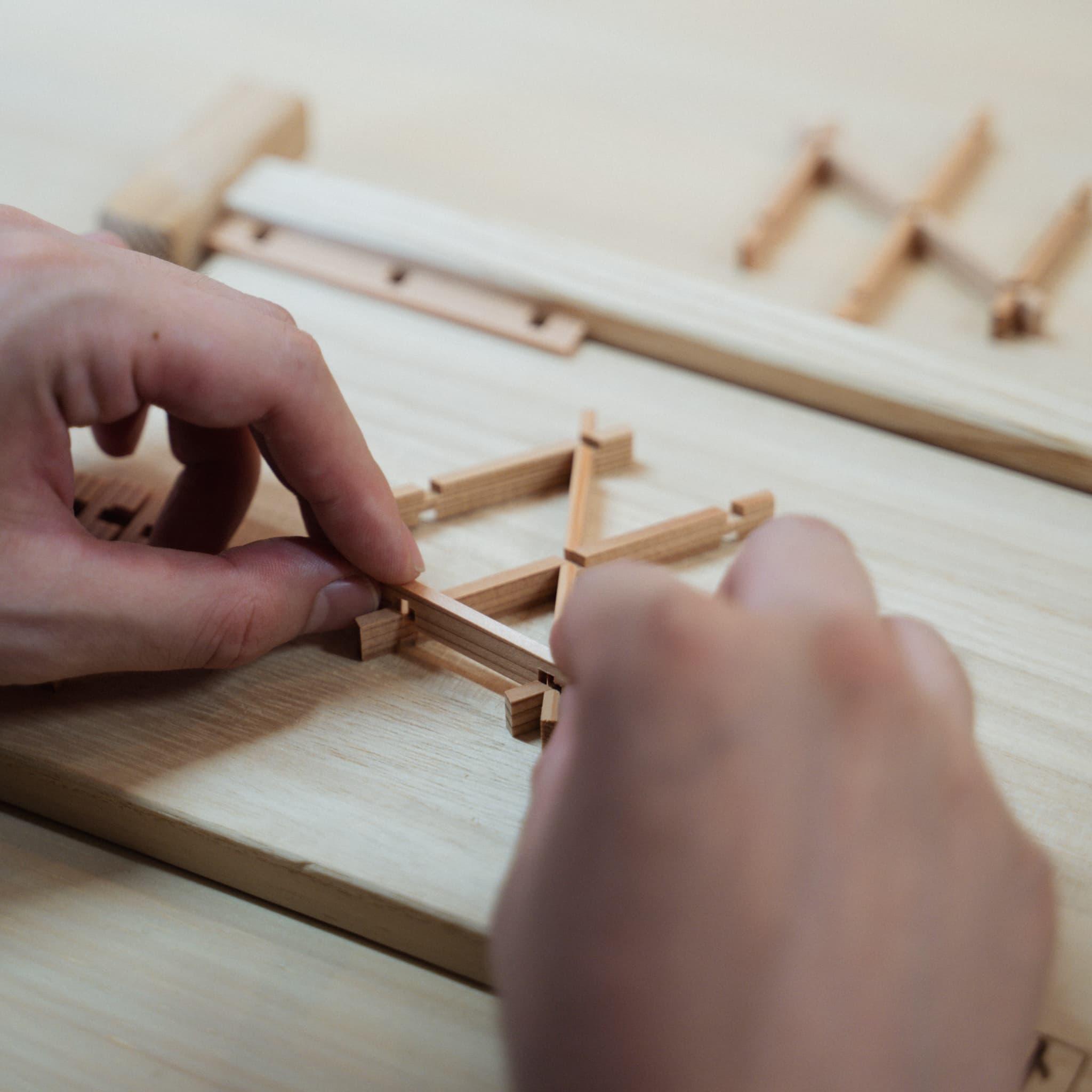
Many Japanese lamps use natural, renewable materials such as bamboo, wood, and washi paper. Artisans carefully craft these pieces by hand, ensuring durability and authenticity. This approach aligns with contemporary trends in sustainable living, offering eco-friendly alternatives to mass-produced plastic or synthetic lighting.
Handmade lamps are also lasting. Unlike disposable lighting solutions, a well-crafted Japanese lamp can remain functional and beautiful for decades, becoming a cherished element of the home.