The Story of Washi Paper: From Ancient Craft to Modern Interiors
In the wide world of materials used for design, few have as rich a history as washi—traditional Japanese paper. Literally translating to “Japanese paper,” washi has been made for over a thousand years. Its journey from ancient craft to contemporary interior staple is a testament to its versatility, beauty, and cultural significance.
Origins and Cultural Roots
Washi originated in Japan during the 7th century, influenced by paper-making techniques introduced from China and Korea. Over time, Japanese artisans adapted and refined the process, developing unique methods that take full advantage of local plant fibers. Today, washi is recognized not just as a material but as a cultural treasure—inscribed on UNESCO’s Representative List of the Intangible Cultural Heritage of Humanity.
Unlike machine-made paper, washi is handcrafted. The three primary fibers used are:
Kōzo: Strong, long fibers that produce durable paper
Mitsumata: Softer, creating absorbent and smooth textures
Gampi: Smooth and glossy, used for elegant applications
Each fiber contributes different qualities, allowing artisans to tailor the paper for various functions—from calligraphy and stationery to lanterns and screens.
Traditional Craftsmanship
Making washi begins with harvesting and preparing fiber. The raw plant materials are boiled, beaten, and washed to separate impurities. Artisans then create a pulp that is suspended in water. Using a bamboo screen known as a su and a frame called a keta, the pulp is hand-ladled and shaken to form a consistent sheet. This process requires patience and skill; the thickness, texture, and strength of the paper depend on the artisan’s touch.
Once dried, washi exhibits remarkable characteristics:
Durability: Washi can be stronger than many modern papers due to its long fibers.
Flexibility: It resists tearing and can be molded or folded.
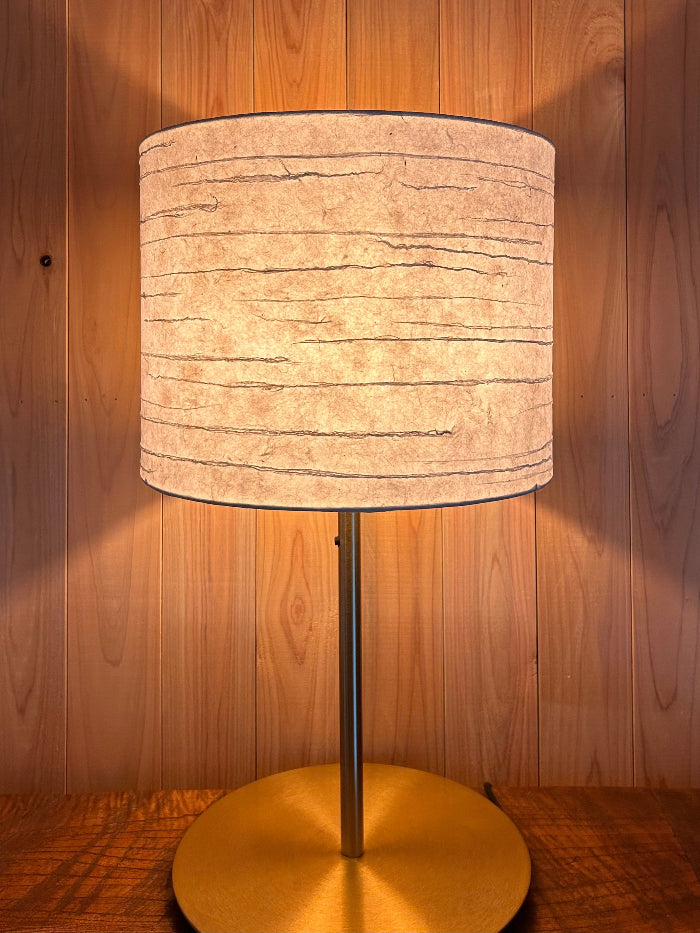
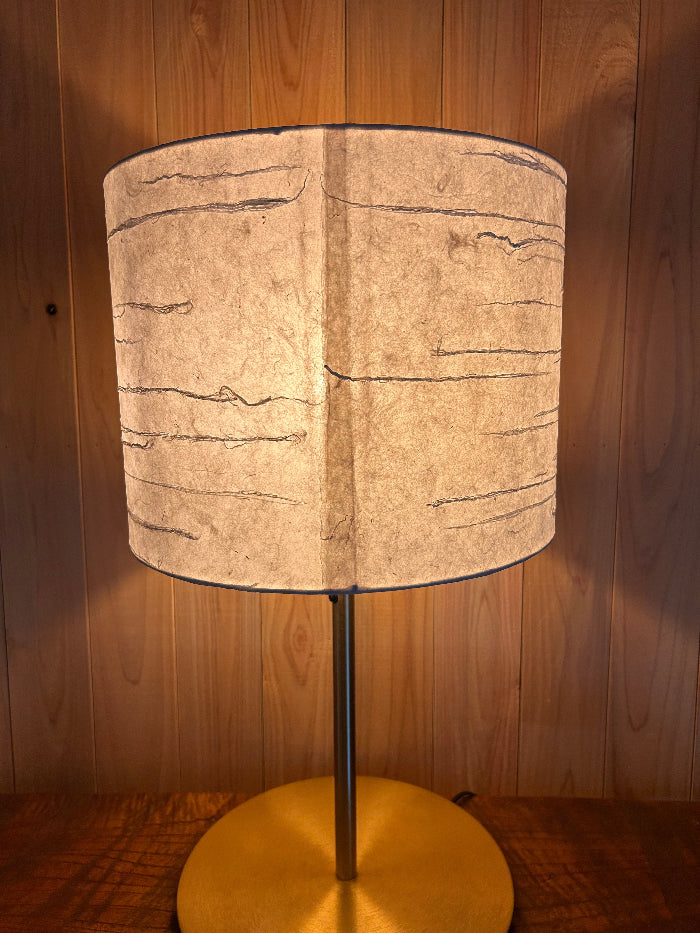
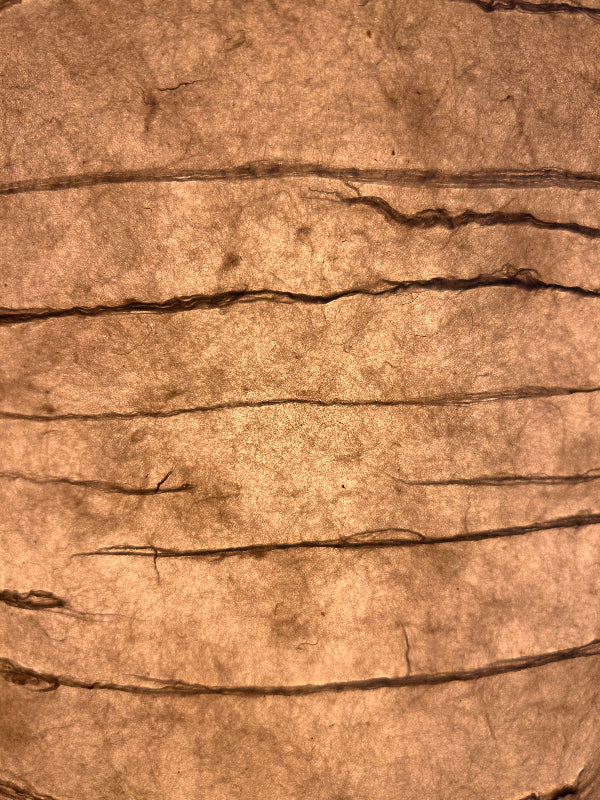
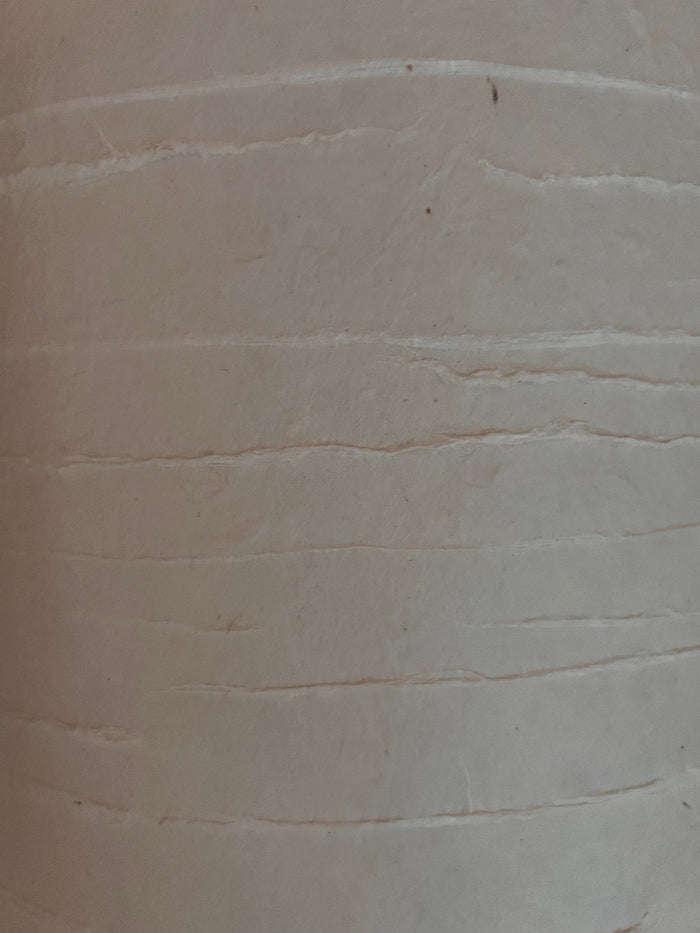
Texture: A natural, tactile surface that feels warm and organic.
Washi in Lighting Design
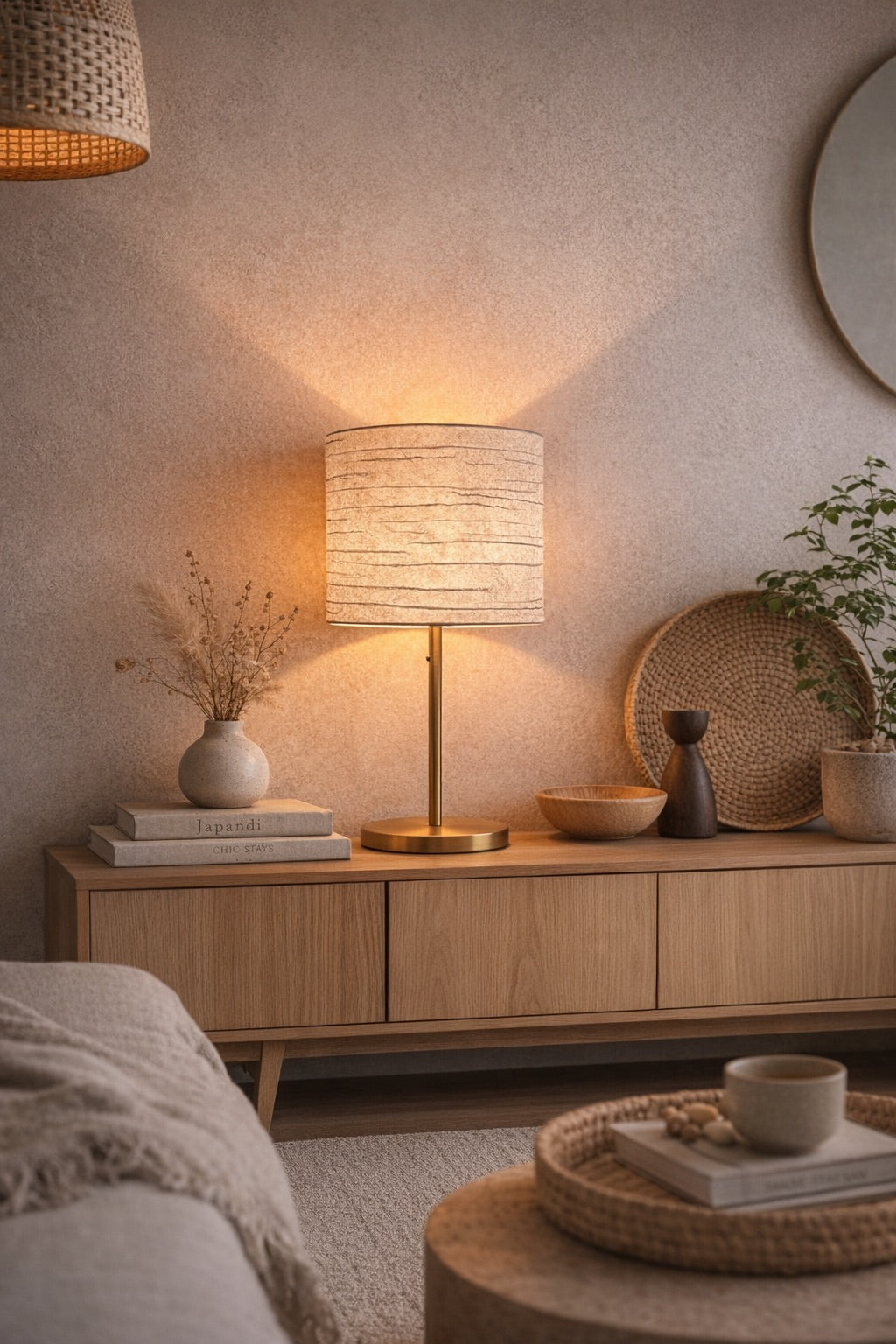
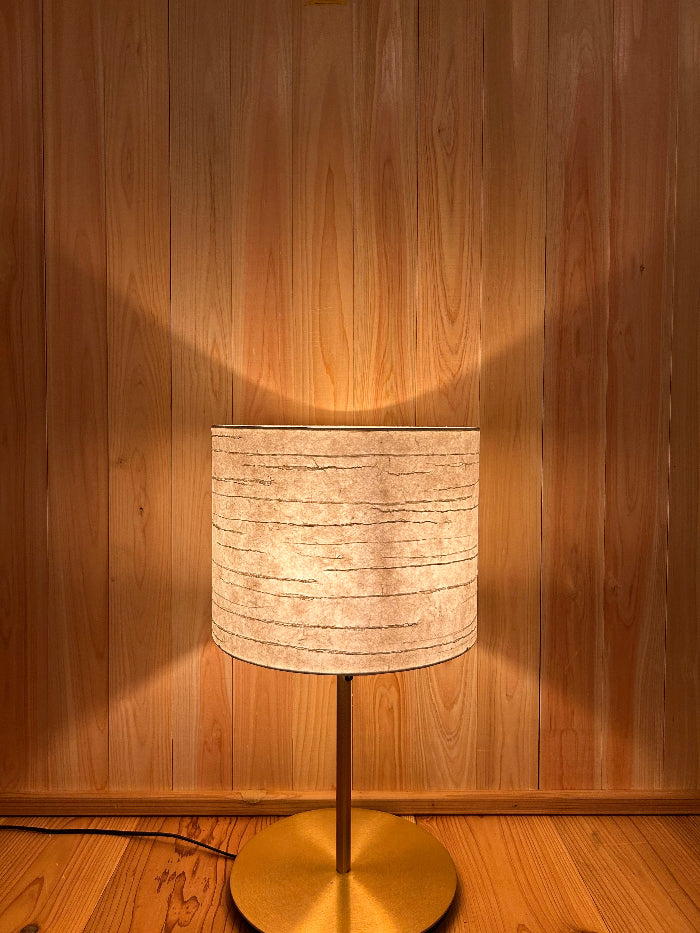
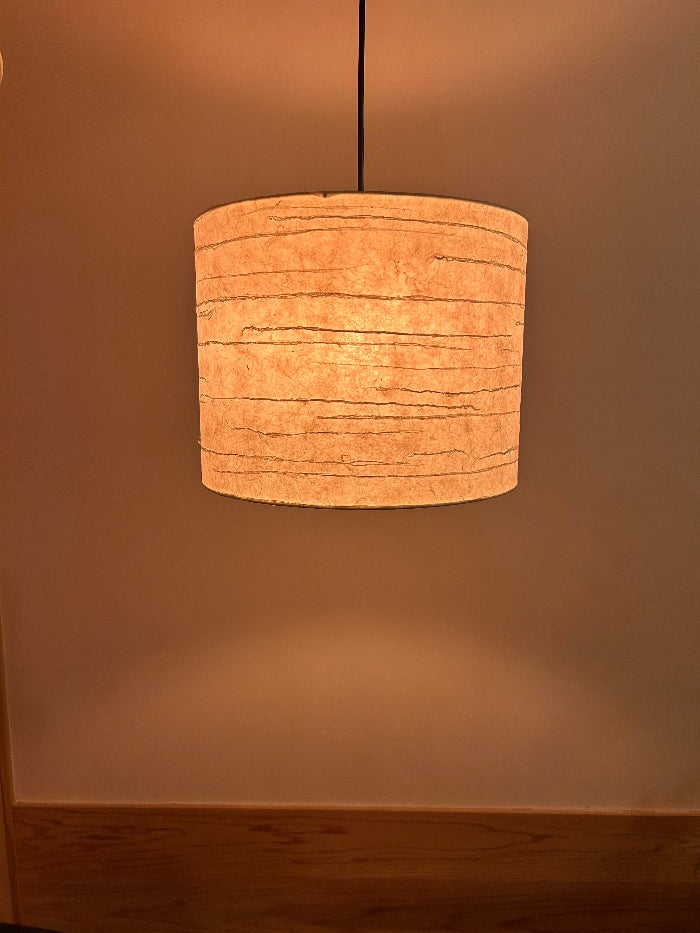
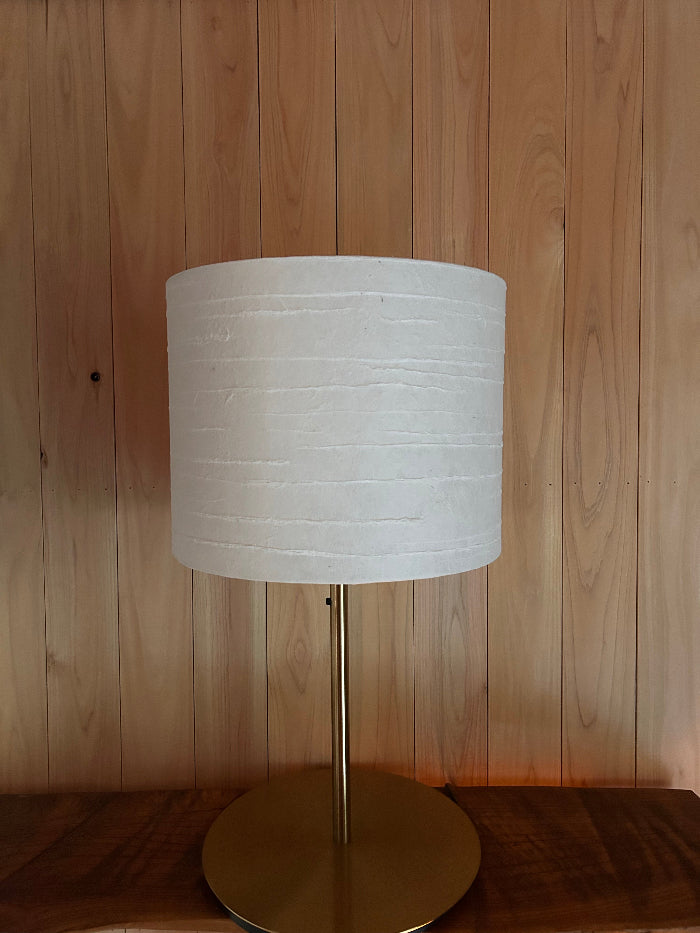
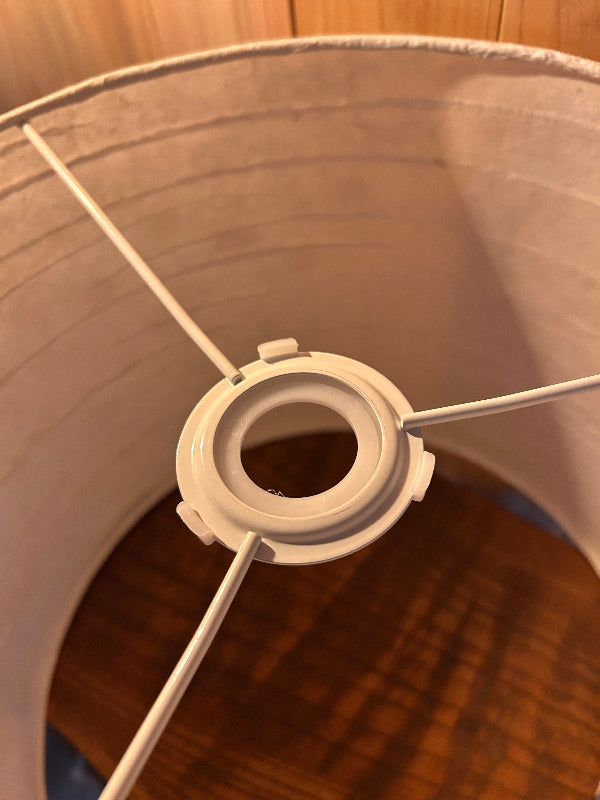
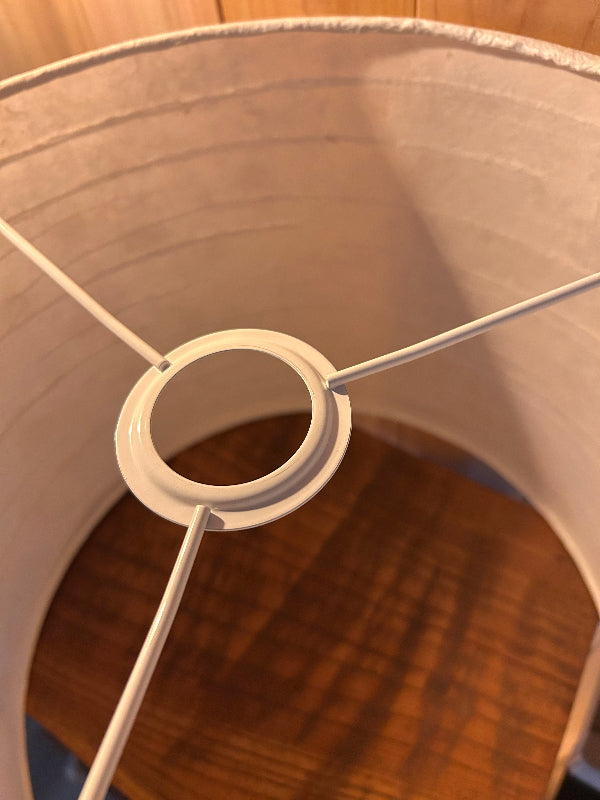
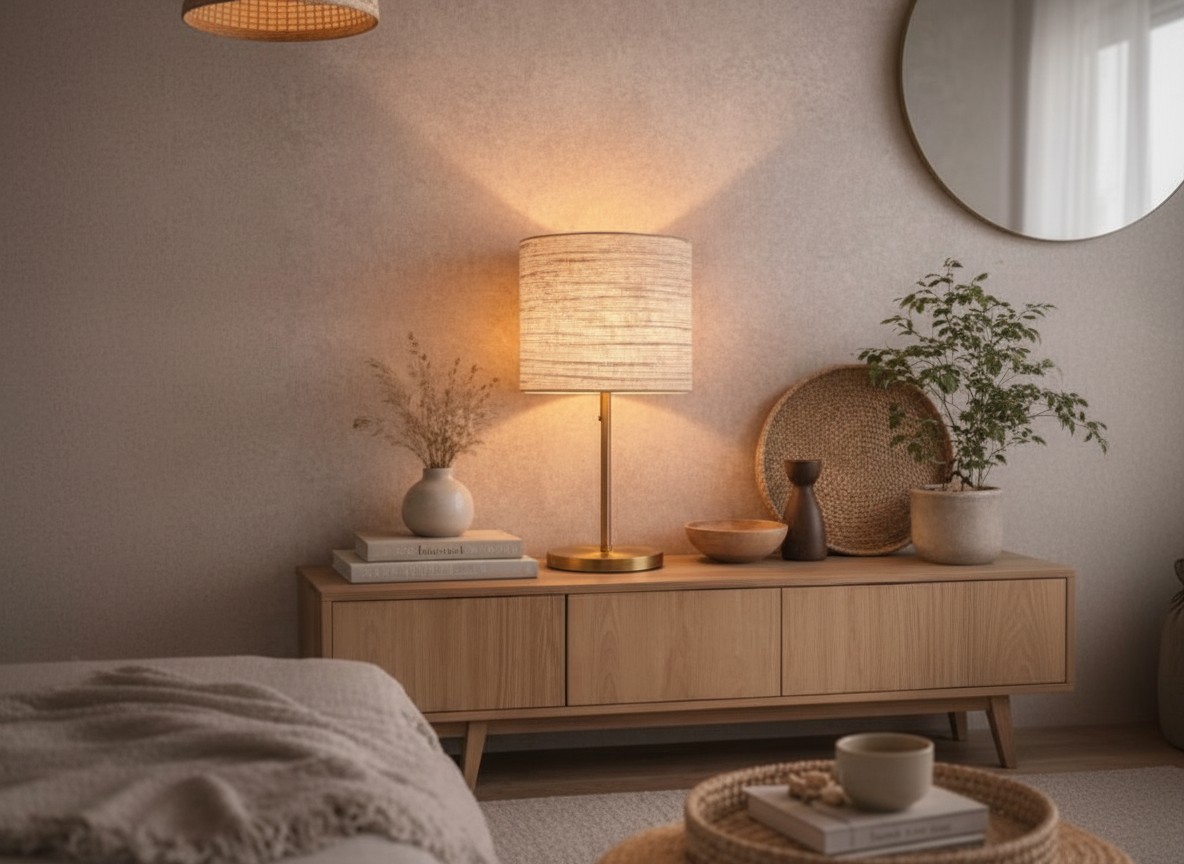
One of the most iconic uses of washi is in lighting. Traditional andon lamps and chochin lanterns use washi as shade material. The paper’s translucent quality diffuses light in a gentle, ambient way. Modern designers have expanded this concept, creating pendant lights, sconces, and floor lamps that celebrate washi’s unique qualities.
Washi’s effect on light can be described as follows:
Soft diffusion: Harsh shadows disappear, replaced by a calm aura.
Warmth: The light takes on warm undertones, enhancing comfort.
Texture play: Subtle grain patterns add visual depth to illumination.
These qualities make washi lighting ideal for spaces aimed at relaxation, contemplation, and hospitality.
Contemporary Interior Trends
In today’s interiors, washi extends beyond lamps. Designers incorporate washi in wall coverings, room dividers, and even furniture accents. Its natural look pairs beautifully with minimalist aesthetics, Scandinavian influences, and Zen-inspired décor. In open-plan homes, washi screens offer privacy while allowing light to flow.
At the intersection of tradition and innovation, contemporary lighting designers often combine washi with new technologies. LED bulbs, lightweight metal frames, and modular designs give washi lighting a fresh relevance while honoring its roots.
Sustainability and Timelessness
Washi embodies sustainability. Made from renewable plant fibers and handcrafted using low-energy techniques, it contrasts sharply with mass-produced plastic and synthetic materials. As awareness of environmental impact grows, designers and consumers alike seek materials that are beautiful, functional, and responsible.